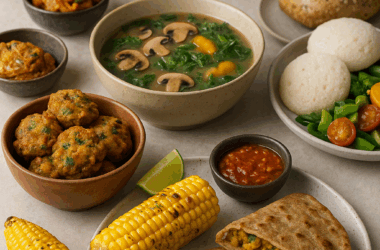
Food continues to evolve rapidly, influenced by culture, technology, and consumer choices. As 2025 approaches its final quarter, the culinary world is buzzing with innovation. Shifts in lifestyles, economic conditions, and sustainability concerns are shaping how people eat globally. Restaurants, home kitchens, and delivery platforms are embracing newer concepts and flavors. The rise of plant-based diets, functional foods, and global fusion dishes is setting the stage for change. People are seeking meals that balance taste, health, and convenience. Social media platforms highlight every emerging food experiment, making trends spread faster than ever. Local produce, climate-friendly menus, and immunity-boosting dishes are gaining immense popularity. This quarter is expected to spotlight healthier options, futuristic technology-driven meals, and stronger focus on sustainability. Food Trends for the last quarter of 2025 will reflect changing demands and preferences. These changes will redefine dining experiences, shaping culinary landscapes globally.
Sustainability in Everyday Food Choices
Sustainability remains at the center of food innovation. Consumers demand eco-friendly packaging, waste reduction, and farm-to-table sourcing. Restaurants now integrate local ingredients, reducing carbon footprints while supporting farmers. Plant-based alternatives dominate menus, offering healthier and environmentally friendly choices. The growing popularity of insect-based protein also highlights sustainability’s rising influence. Home cooks adopt zero-waste practices, turning leftovers into creative meals. Food Trends increasingly prioritize ethical sourcing, fair trade, and traceable supply chains. In urban areas, vertical farming ensures fresh greens year-round. Even large food chains are adapting, reducing single-use plastics and introducing compostable packaging. Seasonal menus encourage customers to enjoy fresh, local produce. These sustainable practices redefine not only what people eat but also how food systems operate. The last quarter of 2025 emphasizes conscious eating as a global necessity. Food becomes a vehicle for both nourishment and environmental responsibility.

Technology Redefining Food Experiences
Technology continues to revolutionize the food industry. Smart kitchens, automated appliances, and AI-driven recipes make cooking effortless. Food Trends highlight AI-powered platforms suggesting personalized diets based on health data. Delivery services employ drones and robots, ensuring faster and eco-friendly logistics. 3D-printed meals are moving from futuristic concepts to everyday realities. Smart fridges now track freshness, reducing household food waste. Virtual reality dining offers immersive cultural experiences without travel. Blockchain technology enhances food traceability, ensuring authenticity and safety. Social media algorithms push trending recipes, making them instantly viral worldwide. Consumers now explore experimental dishes curated by AI chefs. Technology bridges gaps between health, convenience, and global cuisines. Restaurants experiment with robotic cooking stations for precision and efficiency. The last quarter of 2025 will showcase advanced digital integrations in everyday dining. Tech-driven experiences will redefine both cooking and consumption.

Global Fusion and Wellness Foods
Global flavors continue to dominate culinary spaces. Fusion dishes combine Asian, Latin, and Mediterranean influences, exciting adventurous eaters. Food Trends show growing interest in immunity-boosting ingredients like turmeric, ginger, and moringa. Superfoods such as quinoa, chia, and spirulina remain staples in wellness diets.

Functional beverages like kombucha and adaptogen teas gain global popularity. Exotic flavors are blended with traditional comfort food, creating innovative recipes. Wellness-driven foods focus on balance, offering protein-rich, low-carb, and gut-friendly options. Fermented foods such as kimchi and kefir are widely celebrated for health benefits. The growing vegan and flexitarian communities push chefs toward plant-forward creations. Global street food continues to inspire restaurant menus worldwide. The influence of ancient grains and indigenous ingredients is growing. Wellness is no longer a trend but a permanent demand. The last quarter of 2025 will emphasize nourishment, variety, and cultural inclusivity.
Conclusion
Food Trends reflect evolving consumer needs every quarter. They showcase shifts in sustainability, technology, and global flavor preferences. The last quarter of 2025 highlights innovation, responsibility, and wellness in equal measure. These quarterly changes provide valuable insights for businesses, consumers, and communities. They help predict future demands and set industry benchmarks. Embracing Food Trends ensures people enjoy healthier, diverse, and sustainable food choices.

The importance of quarterly analysis cannot be underestimated. It allows timely adaptation, helping both producers and consumers align with evolving expectations. Every quarter provides fresh perspectives, shaping the next phase of culinary innovation. Food remains a universal language, reflecting lifestyle and culture. Quarterly trends highlight the dynamic nature of eating habits globally. Understanding them is essential for future planning. Food Trends for the last quarter of 2025 will influence how we eat, cook, and live.
Utpal Khot
Copyright © Utpal K
1. If you share this post, please give due credit to the author Utpal Khot
2. Please DO NOT PLAGIARIZE. Please DO NOT Cut/Copy/Paste this post.
© Utpal K., all rights reserved.
Copyright Notice: No part of this Blog may be reproduced or utilized in any form or by any means, electronic or mechanical including photocopying or by any information storage and retrieval system, without permission in writing from the Blog Author Utpal Khot who holds the copyright.